Balmoral Beach

Shelly Beach
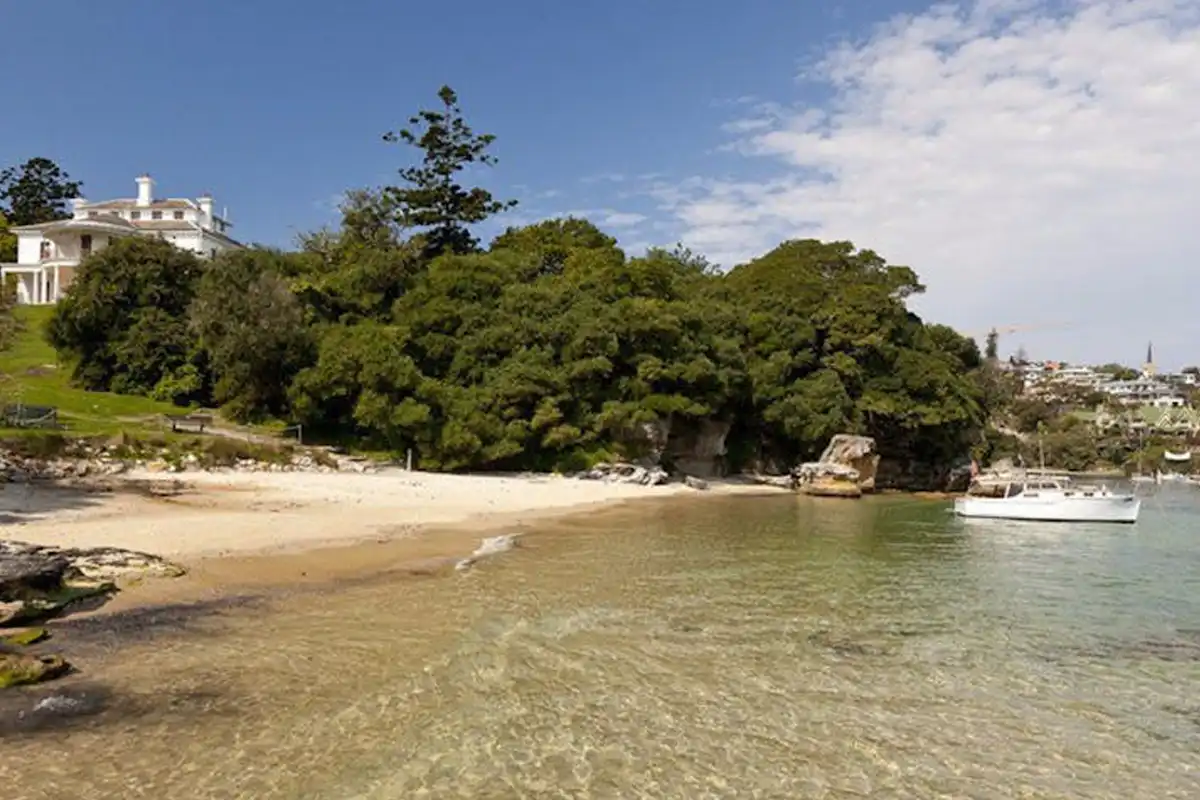
Milk Beach
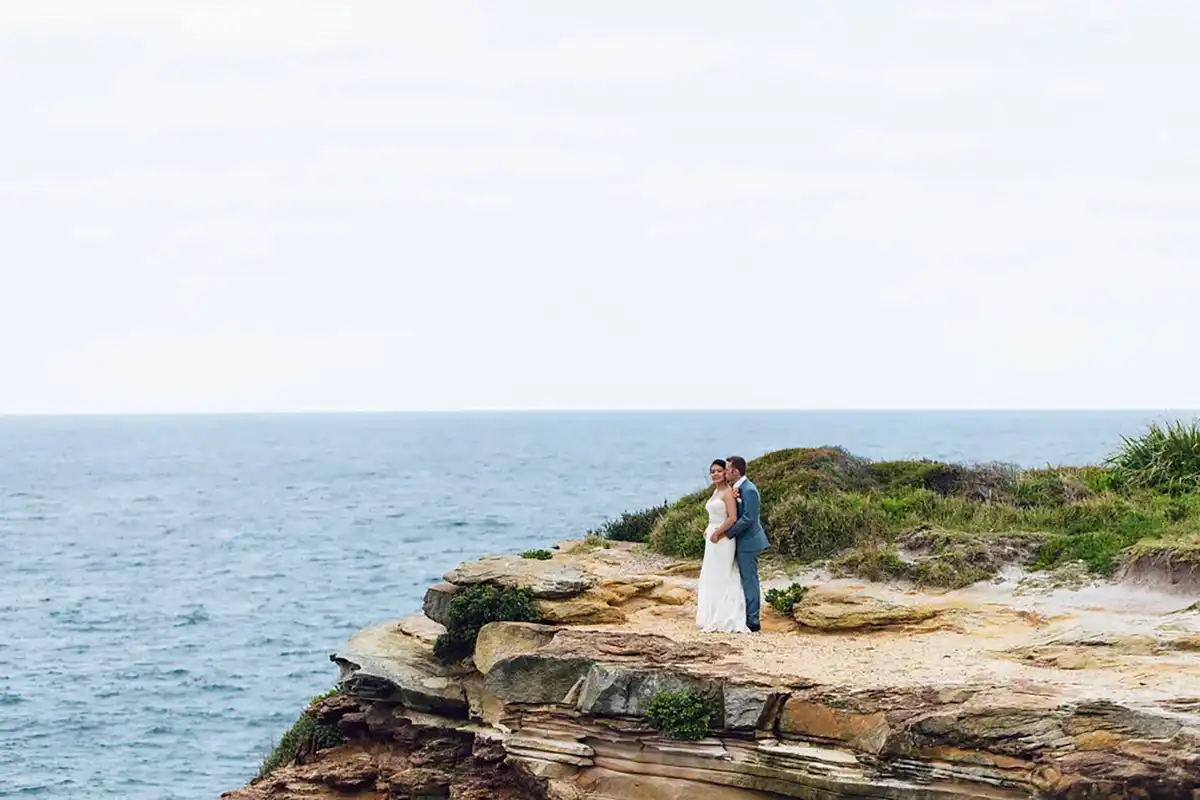
Burrows Park
Every summer we marry couples with their feet in the sand somewhere between Palm Beach and Cronulla. The surprise for most of them isn't the permit or the price — it's that half of Sydney's famous beaches face the wrong way for a sunset. Here's where the light actually lands, when to stand there, and what the law needs from you.
For a true sunset ceremony, choose west-facing water: Balmoral, Clontarf, Nielsen Park, Shark Beach, Parsley Bay, Bayview or Watsons Bay. East-facing ocean beaches like Bondi and Manly lose the sun behind the headland — book 90 minutes before sunset.
Summer is the busiest stretch of our year, and the question we field most often from about September onwards is some version of: where can we stand on sand in Sydney and watch the sun go down while we say our vows?
It's a fair question with an awkward answer, because most of Sydney's famous beaches face the wrong way. Below is how we'd actually choose, after fifteen-odd years of marrying people on sand, grass and sandstone across this city.
Sydney's open coast — Palm Beach down through Manly, Bondi, Coogee, Maroubra and on to Cronulla — faces east. That's where the swell comes from and it's why we have such good surf. It also means the sun sets behind you, over land, not over the water.
That doesn't make an ocean beach a bad choice. In the hour before sunset the light on an east-facing beach goes soft and golden across faces and up the headland, the sky behind the ceremony turns pink, and the water goes silver. It's lovely. It just isn't the sun-dropping-into-the-sea photograph that lives in most people's heads.
For that, you want the harbour and Pittwater. The beaches tucked inside Port Jackson and Middle Harbour face west and south-west, and that's where the sun genuinely drops toward water.
Two practical notes before you commit:
These are the spots where the light does what you're hoping it will do.
Underfoot matters more than people think. Balmoral, Clontarf and Nielsen Park all give you a grassy or paved option a few metres above the sand — which, as you'll read below, is often where we end up anyway.
Bondi, Tamarama, Bronte, Coogee, Manly, Freshwater, Palm Beach and Cronulla earn their reputations. You trade the sun-on-water shot for the sound of surf behind your vows and the drama of an open horizon.
If you go east-facing, go up. The headlands and reserves above the sand give you elevation, a clean horizon line and firmer ground:
Be realistic about three things on the open coast: wind, which will lift paperwork and flatten a veil; surf noise, which eats quiet vows unless everyone stands close; and summer foot traffic, which in January is relentless.
And if what you truly want is sun on water with sand underfoot, consider flipping it — a sunrise ceremony on an east-facing beach gives you exactly that, with almost nobody around. We've done a number of them and they're among the calmest mornings of our year.
Nearly every beach and foreshore reserve in Sydney sits on council land or within a national park, and most land managers require a booking or permit for a wedding ceremony. Woollahra, Waverley, Mosman, Northern Beaches, Randwick and Sutherland councils each run their own system, as does NSW National Parks and Wildlife Service for sites like Nielsen Park and North Head.
Apply directly with the land manager, well ahead, and get specific answers to:
To be clear about our role: we perform the legal ceremony. We don't lodge permit applications, run receptions or coordinate the day on your behalf. Book the permit before you lock the ceremony time, and get a named wet-weather alternative in writing from the same land manager.
Our working rule: start 75 to 90 minutes before sunset. That puts the vows, the signing and your photographs all inside the good light, with room for the things that always run late.
If you'd like to see which harbour and beachside sites we actually have dates and prices for this summer, that's the place to start — locations across Sydney, with availability you can book.
The venue changes nothing about the legal requirements. Beach, backyard or boatshed, these apply:
If you want the full sequence from first enquiry to registered marriage, here's how it works.
Wind is the enemy, not rain. Rain you can see coming; a 20-knot north-easterly at Bronte at 6pm will take your paperwork across the park and make the vows inaudible to the back row. We bring a clipboard, weighted documents and a spare pen, and we'd rather stand you with your backs to the breeze than get a prettier angle.
Sand is unkind to signing tables, heels and anyone over eighty. A grassy reserve a few metres above the beach — Clontarf, Bronte Park, the lawn at Balmoral — usually gives you the same view, a stable table and guests who aren't sinking.
Summer afternoons on the harbour beaches are crowded, and no permit changes that. Someone will swim past. A dog will arrive. A paddleboarder will drift through the ceremony at exactly the wrong moment. The couples who laugh at it have a far better evening than the ones who tense up.
Our quiet favourites for small groups remain Parsley Bay and Castle Rock — both small enough to feel private, both close enough to parking that nobody arrives flustered.
And the ceremonies that go wrong? Almost always the same two causes: nobody confirmed the permit, or nobody named a wet-weather plan.
Sydney summer will test your plan. Expect at least one of: a heatwave, a southerly buster arriving mid-afternoon, a king tide that halves the usable sand, or a surf club event on the same patch.
If the beach is unusable, we can almost always marry you nearby instead. The paperwork and the one-month notice travel with you — changing the location does not invalidate your Notice of Intended Marriage, and we simply record the venue where the marriage actually took place.
For an actual sunset over water, the best Sydney spots face west across the harbour: Balmoral, Clontarf, Nielsen Park and Shark Beach, Parsley Bay, Watsons Bay and Bayview on Pittwater. These harbour beaches hold the light right through the ceremony and give you warm colour behind the couple as they say their vows. East-facing ocean beaches such as Bondi, Manly and Coogee are beautiful but the sun drops behind the headland well before it sets, so they suit a late-afternoon rather than a sunset ceremony.
Bondi, Manly, Coogee and the other ocean beaches face east, so the sun sets behind the land rather than over the water. By late afternoon the beach falls into shadow from the headland and buildings, and the famous golden light is gone. You can still marry there beautifully, just book around 90 minutes before the official sunset time so you keep the light.
A legal ceremony with the Monitum, the vows and the signing takes roughly 20 to 30 minutes, so start about 45 to 60 minutes before the official sunset time if you want the colour behind you for photos. In a Sydney summer that often means a start somewhere between 6.30pm and 7.30pm depending on the date. Check the sunset time for your exact date rather than assuming, because it shifts by close to an hour between December and late February.
Usually yes. Harbour beaches inside Sydney Harbour National Park, such as Nielsen Park and Shark Beach, are managed by NSW National Parks and Wildlife Service, while Balmoral, Clontarf and Parsley Bay sit with the local council, and each has its own booking process and fee. Apply early for summer dates, as the popular west-facing reserves book out months ahead.
The Notice of Intended Marriage must be given to your celebrant at least one calendar month before the ceremony date, and no more than 18 months before. That one month is a legal minimum under the Marriage Act, not a guideline, and only a prescribed authority can shorten it and only for a qualifying reason. For a summer beach date, get the Notice signed well ahead so a late paperwork problem never threatens the booking.
Both of you need evidence of your date and place of birth, which means an original birth certificate or a current passport, plus photo ID. Anyone who has been married before must also produce evidence the marriage ended, either a divorce order or a death certificate. Both parties must be at least 18 unless there is a court order in place.
Yes. Two witnesses aged 18 or over must be physically present for the ceremony and sign the register, no matter how small or informal the beach ceremony is. If you are eloping without guests, let your celebrant know early so arrangements can be made rather than asking strangers on the sand at the last minute.
Always have a covered backup within a few minutes of the beach, such as a nearby rotunda, a function room, a friend's verandah or even an undercover picnic shelter. Sydney summer southerly busters arrive fast in the late afternoon, which is exactly when a sunset ceremony is scheduled, and wind makes vows hard to hear even when it stays dry. Decide the backup plan the day before with your celebrant so nobody is standing in a car park debating it.
No, the decorative certificate you sign and take home on the day is the ceremonial certificate. Your celebrant registers the marriage with NSW Registry of Births, Deaths and Marriages, usually within 14 days, and you then apply to the Registry for the official registered certificate for a fee. That registered certificate is the one you need for passport, bank and name-change purposes.
Simple Ceremonies celebrants perform the legal ceremony only, including the Notice of Intended Marriage, the Monitum, the vows and registering the marriage with NSW Births, Deaths and Marriages. We do not run receptions, book venues or coordinate the wider wedding day. That keeps the focus on getting the legal part right on the sand while you handle the celebration however you like afterwards.
If you want the sun over the water, look west — Balmoral, Clontarf, Nielsen Park, Parsley Bay, Watsons Bay or Pittwater. If you want surf and drama, take the east coast and go an hour earlier. Either way: confirm the permit first, give us your Notice at least one calendar month out, and start 75 to 90 minutes before sunset.
Incredibly simple … simply incredible.