Unsplash - Rene Ranisch

Unsplash - Jonathan Borba

Unsplash - Pedro Puilido
Unsplash - Kenneth Penn
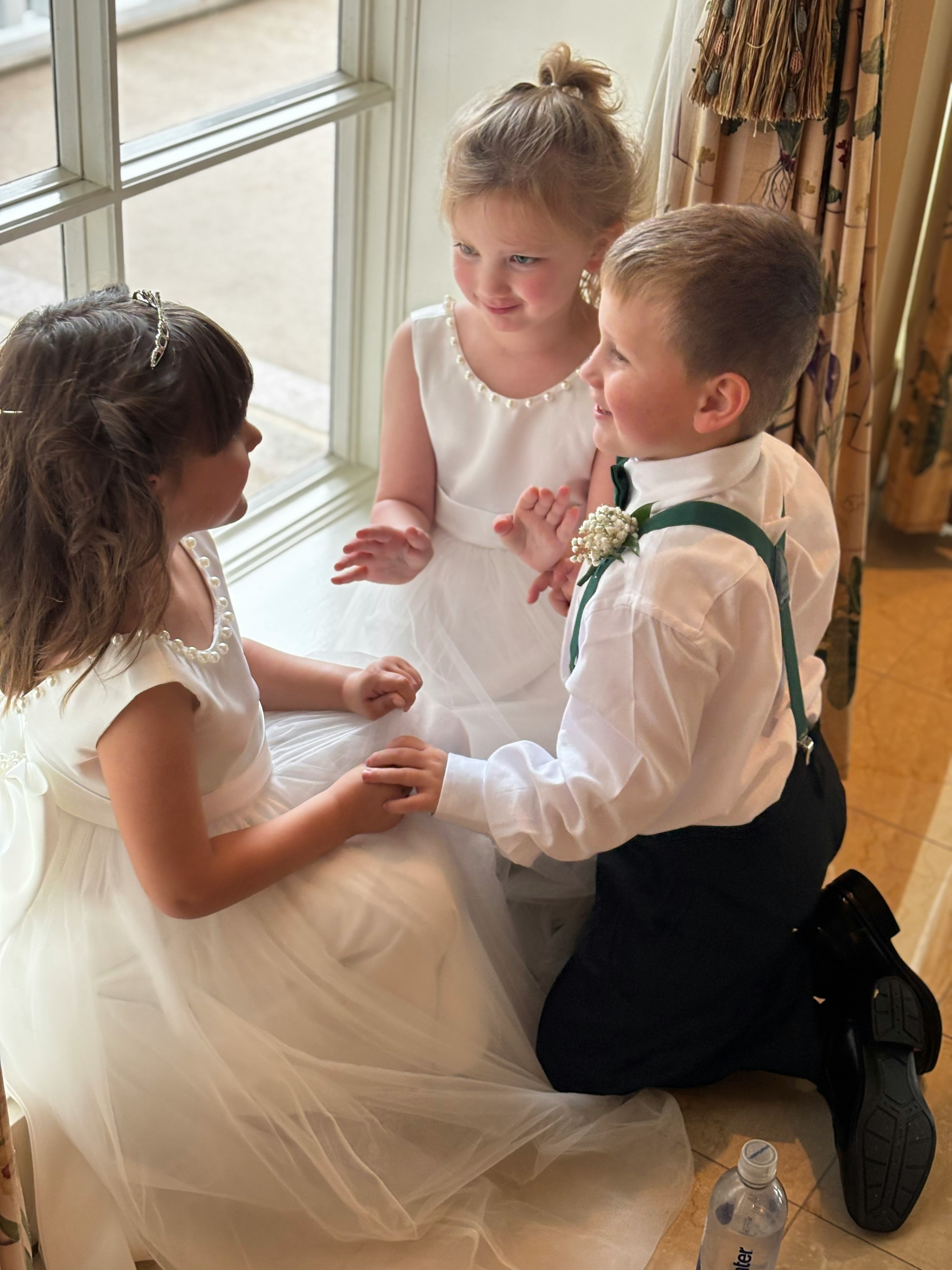
Nothing splits a guest list like three little words: "adults only, please." Some see a relaxed, elegant celebration; others see a snub to their family. After 15+ years marrying couples across Sydney, we've watched this debate from the front row — here's the honest case for both sides, the middle-ground options most couples miss, and the exact wording that keeps the peace.
No. It's your wedding, your guest list, your call — and adults-only celebrations are increasingly common across Australia. But whether the choice causes a family rift comes down almost entirely to how it's communicated: how much notice you give, how warmly you word it, and how consistently you apply it. Get those three right and almost everyone comes around. Get them wrong and it's the thing your aunt still mentions at Christmas in 2031.
Having stood at the front of Sydney weddings for more than 15 years — with kids, without kids, and every arrangement in between — here's the honest view from someone with no side to pick.
Fairness demands the other side gets its due, because the hurt is genuine:
Warm, clear, and early. On the invitation or details card:
"We love your little ones, but to give all our guests a relaxed evening, our celebration will be adults-only. We hope the night off is part of the gift!"
For the ceremony-yes/reception-no version:
"Children are warmly welcome at our ceremony. The evening reception will be adults-only — we're happy to share local babysitting recommendations."
Three delivery rules: address invitations to the invited adults by name (the guest list is the invitation); repeat the note on your wedding website; and tell close family by phone before invitations land — nobody with a stake in it should learn from cardstock.
The same etiquette that protects couples protects you: you're allowed to decline. What doesn't work is asking for an exception — it puts the couple in the exact position the rule was designed to avoid. RSVP no warmly, send a card, suggest a celebratory dinner where your kids can meet the newlyweds. Relationships survive different choices; they struggle with campaigns.
In 15+ years we've married couples at both extremes and everywhere between, and the pattern is unmistakable: the decision itself almost never causes the damage — the communication does. Couples who decide early, tell family personally, word it warmly and hold the line consistently are forgiven by almost everyone, usually before the first course. Couples who let it leak out via the invitation, or bend the rule for one cousin but not another, spend their reception managing diplomacy instead of dancing.
Whatever you decide, decide it together, own it kindly, and build the day around it — whether that's a rooftop cocktail party or a park ceremony with a dozen kids doing cartwheels behind the signing table. We've happily married couples at both, at locations across Sydney.
No — it's your call and increasingly common. Notice, warm wording, and consistency are what decide whether feelings get hurt.
Warmly and unambiguously: "We love your little ones, but to give all our guests a relaxed evening, our celebration will be adults-only." Address invitations to the invited adults by name and repeat the note on your wedding website.
Yes — but by clear category (newborns; wedding-party children; immediate family only), communicated consistently. Case-by-case exceptions are where the family arguments start.
Some parents may decline, and couples should accept that gracefully. Guests who disagree should decline politely rather than lobby for exceptions. Mutual respect for the other's decision is the whole game.
Ceremony-only inclusion, a babysat kids' room at the venue, immediate-family-only exceptions, or splitting the day into a family ceremony and adults-only evening.
A child-free wedding isn't rude, and neither is being sad about one. Decide together, communicate early and warmly, hold the line consistently — and then have exactly the celebration you want. The legal fifteen minutes at the centre of it all is the same either way, and that part is ours: here's how it works.
Incredibly simple … simply incredible.